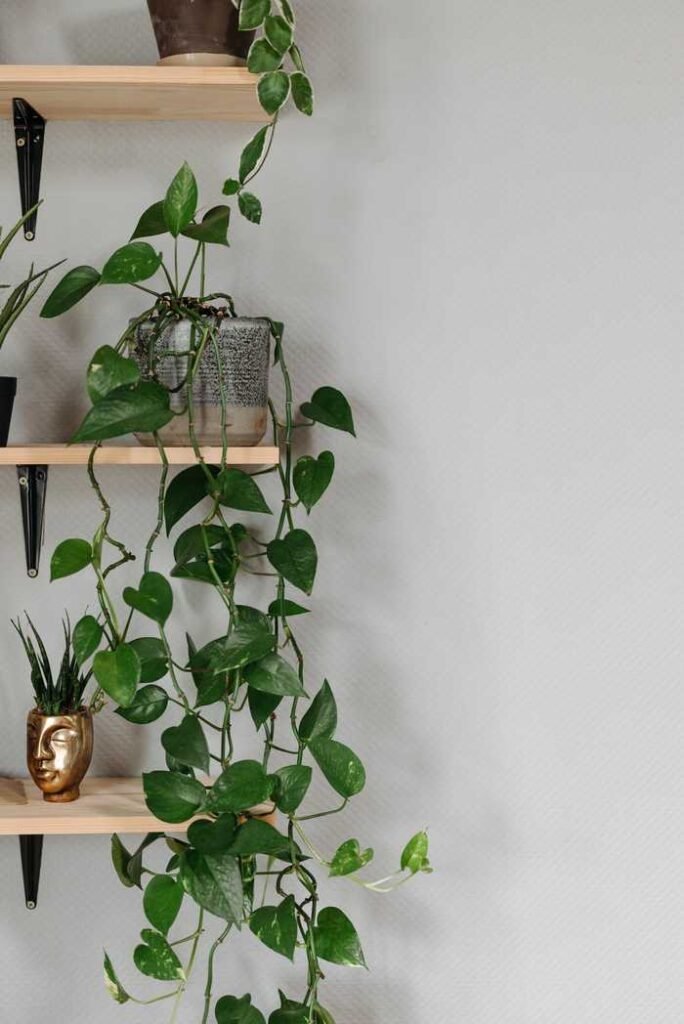
Few houseplants are as beginner-friendly and rewarding as the Heartleaf Philodendron (Philodendron hederaceum). The heart-shaped leaves and trailing vines are what make it popular. This tropical beauty has become one of the most popular indoor plants worldwide. Whether displayed on a bookshelf, hanging basket, or plant stand, it instantly adds lush greenery to any room.
The forgiving nature of Heartleaf Philodendron is why plant lovers adore it. It tolerates low light, adapts well to indoor conditions, and even continues to grow if you occasionally forget to water it. If you’re just starting your indoor gardening journey, this plant is an excellent choice. One of the biggest reasons for its popularity is how simple Heartleaf Philodendron care is, even for first-time plant owners.
When I first saw Heartleaf Philodendron, it was on my office cabinet. The leaves looked so pretty, and the trail covering the side of the cabinet added so much freshness to the cabinet section. After seeing the trails, my mind was captivated, and I wanted to keep it in my house also.
But I was afraid that I might kill it too soon, similar to what I did to my succulent. Everyone said Succulents were impossible to mess up. But I still managed to. So I did not want to kill another plant, but still I bought it. When I brought home a heartleaf philodendron next, I fully expected round two of the same disaster.
It’s been a year. And the plant is still alive, still trailing, and honestly still growing faster than I know what to do with. I feel really happy for my philodendron.
If you are also nervous about keeping a plant alive and hesitating to buy one, then read this before you buy one. This guide may be the one that will rebuild your confidence, and it also covers exactly what it needs to thrive.
In this complete care guide, you’ll learn everything you need to know about growing a healthy Heartleaf Philodendron, from choosing the right light and soil to watering, propagation, and solving common problems in Heartleaf Philodendron care.
Table of Contents
What Is Heartleaf Philodendron?
Heartleaf philodendron (Philodendron hederaceum) is a trailing, vining houseplant that is a tropical climbing vine native to Central America and the Caribbean. It is known for its glossy and attractive heart-shaped leaves. You’ll also see it sold under names like Cordatum or Sweetheart Plant.
In its natural rainforest habitat, it climbs tree trunks using aerial roots (plant roots that grow above the ground or water surface rather than under the soil). Indoors, it is usually grown trailing from a shelf or hanging basket, or trained up a moss pole for larger foliage.
It is one of the most commonly recommended “first plants” for beginners, and for good reason since it is forgiving, adaptable, and recovers quickly from mistakes. The attractive heart-shaped leaves, rapid growth, and easy care have made it one of the most recommended houseplants for beginners.
Heartleaf Philodendron Care at a Glance
| Care Factor | Recommendation |
| Light | Bright, indirect light |
| Water | Water when the top 1–2 inches of soil are dry |
| Soil | Well-draining indoor potting mix |
| Humidity | Medium to high |
| Temperature | 65–85°F (18–29°C) |
| Fertilizer | Monthly during spring and summer |
| Growth Rate | Fast |
| Difficulty | Easy |
Light Requirements
Heartleaf Philodendrons thrive best in bright, indirect sunlight. Near an east-facing window is usually an ideal location for it. They can also tolerate lower light conditions for extended periods, making them perfect for apartments and offices.
Heartleaf philodendron is genuinely one of the more shade-tolerant houseplants out there. Although growth will slow and leaves may get smaller and more spaced out, the plants can thrive in low light.
But just because they can thrive in low light doesn’t mean they should not be placed in the sunlight. You can keep them in an area where the sunlight is low or filtered through curtains. But you should avoid placing them in harsh afternoon sun because direct sunlight can scorch their delicate leaves.
Here are the ideal, tolerable, and avoidable spots for your plant:
- Ideal: It would be a few feet back from an East- or North-facing window, as the sunlight arrives gently, softly, indirectly, and with low intensity.
- Tolerable: The low-light spots would be tolerable, though growth will be slower.
- Avoid: As mentioned above, you should avoid direct, intense sunlight for philodendron; it will scorch the leaves.
Signs of Too Much Light
- Brown crispy edges
- Yellow patches
- Leaf burn
Signs of Too Little Light
- Long, leggy vines
- Smaller leaves
- Slow growth
Care Tip: If your plant’s leaves start looking pale or its stems get long and thin with big gaps between leaves, that’s usually a sign it needs more light.
How Often Should You Water a Heartleaf Philodendron?
Watering is where most beginners fall short. One of the most common mistakes beginners make is overwatering. More heartleaf philodendrons die from overwatering than almost anything else. The plant would genuinely rather be slightly underwatered than sitting in soggy soil.
Instead of watering on a fixed schedule, check the soil first. Here is the simple rule that you can follow to improve the Heartleaf Philodendron:
The simple rule: let the top 1–2 inches of soil dry out before watering again.
- Put your finger into the soil and check if the soil is dry at that depth or not. If it is, then it’s time to water the plant.
- Water thoroughly until it drains from the bottom of the pot, then let it drain fully.
- Never let the pot sit in standing water.
Generally, seasonal adjustments are best to do.
- Spring and summer (active growth): Water roughly once a week, every 7–10 days, adjusting for your home’s humidity and light.
- Fall and winter (dormant period): Cut back significantly, sometimes to every 2–3 weeks or every 10–14 days.
The leaves turning yellow are the plant’s most common cry for help, and it’s almost always about water, usually too much, occasionally too little.
Care tip: Always empty excess water from the saucer to prevent root rot.
Best Soil and Potting for Heartleaf Philodendron
Heartleaf philodendron isn’t picky, but it does best in well-draining, chunky soil that doesn’t stay wet for long. A standard indoor potting mix with a bit of perlite or orchid bark mixed in works well.
If you don’t have perlite, then you can use rice hulls, coconut fibre, and small wooden chips. And instead of orchid bark, use coconut husk chips, bark chunks, and nutshells.
Always use a pot with a drainage hole. This one factor prevents more root rot than any other single change you can make. The ideal soil should drain well while retaining enough moisture.
A good mix includes:
- Indoor potting soil that acts as the base and holds basic moisture and provides nutrients. The good mix could be too heavy or compact on its own.
- Perlite keeps the soil light so that plant roots can breathe. You can create tiny gaps too, in order to drain the water out so fast.
- Orchid bark or coco chips
Avoid dense garden soil because it compacts easily and suffocates the roots.
Temperature and Humidity
Since this is a tropical plant, warm temperatures are ideal.
- Best temperature: 65–85°F (18–29°C) is the comfort zone.
- Keep away from cold drafts, AC vents, and radiators.
- Avoid temperatures below 55°F (13°C).
Heartleaf Philodendrons also appreciate humidity levels above 50%, but they also adapt well to average household humidity.
Humidity: Average household humidity is fine. It’ll grow a little lusher with extra humidity: a pebble tray, occasional misting, or grouping it near other plants helps, but it’s not a demanding requirement.
Feeding (Fertilizing)
Feed monthly during spring and summer with a balanced liquid houseplant fertilizer diluted to half strength. Skip feeding entirely in fall and winter, when the plant’s growth naturally slows, and it does not need the extra nutrients.
Top Organic Options:
- Worm Castings: Mix 10% to 20% into your potting soil or top-dress the surface. They slowly release balanced nutrients and beneficial microbes.
- Fish Emulsion: Dilute a liquid fish-based fertilizer to half-strength and apply every 3 to 4 weeks during spring and summer. It is high in nitrogen for vibrant foliage.
- Compost Tea: Use a liquid brew to water your plant once a month during the active growing season to naturally boost soil micronutrients.
Care Tip: If you have brought a new Heartleaf philodendron or just repotted it, then do not use fertilizers for about a month.
Pruning and Shaping
Heartleaf philodendron grows fuller and branches out when you pinch back the growing tips. This stops the vines of Heartleaf Philodendron from getting long and empty at the base.
Don’t be afraid to prune your Heartleaf Philodendron. Cuttings don’t go to waste, either (see propagation below).
How to Propagate? (Propagation): Almost Impossible to Fail
Heartleaf Philodendron is genuinely one of the easiest indoor plants to propagate, which is part of why it’s so widely shared between plant-loving friends.
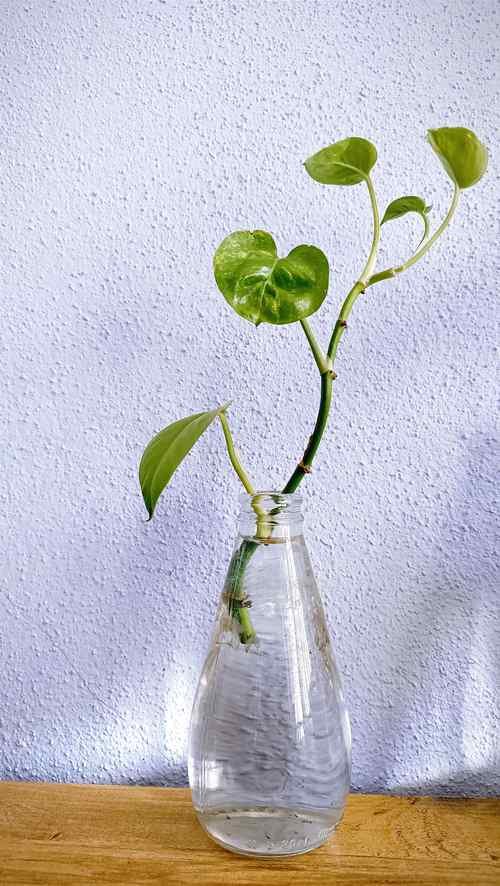
Here are 7 steps that you can follow to do a successful water propagation of Heartleaf Philodendron:
Steps of Water Propagation:
- Cut a stem section with at least one or two leaf nodes.
- Remove the lower leaves.
- Place the cut end in a glass of clean water, submerging the node.
- Change the water every few days or weekly.
- Roots typically appear within 1–3 weeks
- Once roots are a couple of inches long, transplant the cutting into soil.
- Then take care of the plant properly.
Heartleaf Philodendrons are among the easiest houseplants to propagate.
I once rooted a cutting in a repurposed pickle jar because I hadn’t bought a proper propagation vase yet. It rooted anyway in the pickle jar without being bothered by the container’s former life.
Repotting
Heartleaf philodendron doesn’t need frequent repotting and actually tolerates being slightly snug in its pot. The process of moving your Heartleaf Philodendron should be done every 1–2 years, or sooner if you notice the following signs:
- Roots growing out of drainage holes
- Soil drying out unusually fast
- Stunted growth
Choose a pot only 1–2 inches larger than the current one to avoid overpotting. If overpotting occurs, the moisture retention in the soil would be excessive, which suffocates roots and causes root rot, stunted growth, and yellowing leaves.
When repotting, go up only one pot size; going too large can hold excess moisture and also increase the risk of root rot.
Is Heartleaf Philodendron Toxic? (A Word of Caution: Not Pet -Safe)
Before you place this plant somewhere accessible, know that heartleaf philodendron is toxic to dogs, cats, and horses.
Yes, you heard it right. Heartleaf Philodendrons contain calcium oxalate crystals, which are toxic if chewed by cats, dogs, or humans, which is according to the ASPCA (Animal Poison Control Center). Chewing on the leaves or stems can cause oral irritation, mouth and tongue swelling, drooling, and vomiting.
If you have pets, keep this plant somewhere they truly can’t reach, a high shelf, a hanging basket, or a room they don’t have access to. If you ever suspect a pet has chewed on it, contact your vet or the ASPCA (Animal Poison Control Center) immediately.
Pro Tip: Keep the plant out of reach of curious pets and young children.
Common Problems and Quick Fixes
| Problem | Likely Cause | Fix |
| Yellow leaves | Overwatering | Let soil dry out more between waterings; check for root rot |
| Brown, crispy leaf edges | Too much direct sun or low humidity | Move out of direct light; increase humidity slightly |
| Long, sparse vines | Insufficient light or no pruning | Move to a brighter spot; pinch back growing tips |
| Small new leaves | Needs feeding or more light | Fertilize in growing season; check light levels |
| Drooping, limp leaves | Usually underwatering | Check soil moisture and water thoroughly |
| Root rot | Overwatering, poor drainage | Repot in fresh, well-draining soil; trim affected roots |
Why is Heartleaf Philodendron Suitable for Beginners?
What makes heartleaf philodendron such a good starting plant isn’t that it needs nothing; it is that it tells you clearly when something’s wrong, and it bounces back quickly once you fix it. Yellow leaves, droopy stems, slow growth- these are all readable signals, not silent failures. You get to learn the basics of plant care with a plant that’s actually willing to give you feedback and second chances.
That, more than any specific watering schedule, is what makes it worth starting with. Plant care isn’t really about getting everything right the first time; it is about learning to notice what a plant is telling you, and this one happens to be a very patient teacher. This beautiful plant has many qualities that make it ideal for first-time plant parents. Here are many reasons why Heartleaf Philodendron is suitable for beginners:
- Heartleaf Philodendron is suitable for both homes and offices.
- Since it is an indoor plant, it is sure to thrive even in average indoor conditions.
- This glossy-leaf plant tolerates low to medium light.
- The maintenance requirements of this plant are minimal.
- This plant grows very quickly.
- It is one of the easiest plants to propagate.
- The trailing vines and glossy leaves improve the indoor aesthetics.
Benefits of Growing Heartleaf Philodendron
Each plant has some benefits, and Heartleaf Philodendron also has some. Here are some of the benefits of growing it:
- They are easy to care for, one of the easiest-growing plants.
- These are an excellent choice for beginner indoor plants.
- If these indoor plants flourish, you will be blessed with their beautiful trailing vines.
- This plant is very adaptable to many indoor environments.
- It is a fast-growing indoor plant, which is easy to propagate
- Adds natural greenery to any room.
- These indoor plants absorb gaseous pollutants like formaldehyde from indoor materials.
- They can also release water vapor through leaves, which helps ease dry skin and airways.
Final Thoughts
The Heartleaf Philodendron is a timeless favorite for good reason. Its elegant vines, attractive heart-shaped leaves, and forgiving nature make it one of the best indoor plants for beginners. With the right balance of light, water, and well-draining soil, it will reward you with years of healthy growth.
Whether you’re adding your very first houseplant or expanding your indoor jungle, learning the basics of Heartleaf Philodendron care will help you enjoy a thriving, beautiful plant with minimal effort.
Frequently Asked Questions (FAQs)
How often should I water my heartleaf philodendron?
Water when the top 1–2 inches of soil are dry, typically about once a week in spring and summer, and far less often in fall and winter.
Does heartleaf philodendron need direct sunlight?
No, it does not. It prefers bright, indirect light and tolerates low light well, but direct sun will scorch its leaves.
Why are my heartleaf philodendron’s leaves turning yellow?
Yellowing leaves are almost always a sign of overwatering, though occasional underwatering can also cause it. Check soil moisture and drainage first.
Is heartleaf philodendron safe for cats and dogs?
No, they are not safe. It’s toxic to dogs, cats, and horses due to insoluble calcium oxalate crystals, which can cause oral irritation and swelling if chewed.
How do you propagate heartleaf philodendron?
Cut a stem with one or two nodes, place it in water, and roots typically form within one to three weeks before potting in soil.
How often does heartleaf philodendron need repotting?
Every 1–2 years, or when roots become visibly crowded or start growing out of the drainage hole.
Is heartleaf philodendron a good plant for beginners?
Yes. It tolerates inconsistent watering and varying light conditions, recovers well from common mistakes, and gives clear visual signals when something needs adjusting.
Does Heartleaf Philodendron need a moss pole?
Not necessarily. It grows beautifully as a trailing plant, but climbing a moss pole often encourages larger leaves.
How fast does a Heartleaf Philodendron grow?
During spring and summer, healthy plants can produce several inches of new vine growth each month.


2 Comments on “7 Heartleaf Philodendron Care Tips for a Healthy, Fast-Growing Indoor Plant”