You fell in love with everything in your apartment: the location, the price, the exposed brick, and then you noticed it later. Your room barely has any natural light. You might think it could be because maybe you’re facing north, maybe your one window looks directly at a brick wall. You’ll also start deluding yourself into thinking that maybe your “sunny corner” gets 20 minutes of light a day, if you’re lucky.
With no light in an apartment, you might think How can I grow plants and even feel demotivated. But just because you live in a low-light apartment doesn’t mean you have to give up on beautiful indoor plants. Many people assume indoor plants need bright, sunny windows to survive, but that’s far from the truth.
In fact, some of the most popular indoor plants naturally grow beneath dense forest canopies where they receive filtered or indirect sunlight. That makes them perfectly suited for apartments with limited natural light.
Whether you live in a small studio, a north-facing apartment, or a home with only a few windows, choosing the right plants can transform your space into a lush, calming retreat. Low-light indoor plants are generally easy to care for, forgiving of occasional neglect, and ideal for beginners who are just starting their plant journey.
In this guide from Insights on plants, you’ll discover the 15 best low-light indoor plants for apartments, along with their care requirements, benefits, and tips to help them thrive.
Table of Contents
Definition of “Low-Light” for Your Apartment
When I moved into a new house, I dreamed of filling every corner with beautiful green plants. Unfortunately, my room received very little sunlight, and within a few weeks, the plants I had chosen began to struggle. At first, I thought I wasn’t good at caring for plants.
Later, I discovered that I had been choosing the wrong varieties. Once I switched to plants that naturally thrive in low-light conditions, everything changed. Today, those same plants continue to grow beautifully with very little maintenance, proving that anyone can enjoy indoor gardening even without bright windows.
Low light varies according to the place. Your apartment may get no light or less light. So, to ensure your indoor plants flourish even in those conditions, it is essential to understand the specific lighting conditions within your home:
- Low light is the area receiving indirect, ambient daylight, typically found a few feet from a window or in rooms with north-facing exposures.
- Very low light explains the spaces with little to no natural exposure, such as hallways or interior offices that rely primarily on artificial lighting.
Here in this blog, I’ll describe the varieties that thrive even in standard low-light settings; several are resilient enough to survive in even darker corners of your apartment.
Why Choose Low-Light Indoor Plants for Apartments?
Not every apartment receives hours of direct sunshine. Many things could be an obstacle to lighting in the apartment. Tall buildings, shaded balconies, and north-facing windows can all reduce the amount of natural light entering your home. Fortunately, many indoor plants have adapted to these conditions over thousands of years.
Low-light plants don’t necessarily prefer darkness. They simply have a high tolerance level towards lower light, better than most other houseplants. They typically grow more slowly, require less watering, and are easier to maintain than sun-loving varieties.
Here are a few practical reasons why low-light indoor plants are a better pick for your apartment:
Most apartments just don’t get great light. North-facing windows, buildings blocking sun, small windows in older units, a lot of rental spaces simply don’t have the bright, direct light that many popular houseplants crave. Choosing plants that tolerate or even thrive in low light means you’re working with your space instead of fighting it.
Less maintenance stress. Low-light plants (think pothos, snake plants, ZZ plants, peace lilies) tend to grow slower, which means less frequent watering and repotting. That’s ideal for renters who travel, work long hours, or just want greenery without a demanding routine.
They forgive inconsistency. Apartment life is unpredictable; you might be gone for a weekend, distracted during exam season, or just forgetful. Low-light plants are generally more tolerant of missed waterings and less prone to stress from imperfect care.
Flexibility with furniture and layout. Since they don’t need to hug a sunny windowsill, you can place them on shelves, in corners, on top of cabinets anywhere that needs a bit of life, without rearranging your whole apartment around plant needs.
Renter-friendly, no-commitment vibe. Many renters don’t want to invest in grow lights or worry about a plant dying because a landlord’s window situation is bad. Low-light plants remove that risk.
Additional Benefits:
Some additional benefits include:
- They are beginner-friendly.
- Low-light indoor plants forgive occasional mistakes.
- These green plants improve the overall appearance of your home.
- It also helps in creating a calming and relaxing atmosphere.
- These require less frequent watering than many flowering plants.
Low-light indoor plants are an excellent choice if you’re looking for greenery without the stress of constant maintenance.
What Makes a Plant Suitable for Low-Light Apartments?
Before choosing an indoor plant for your low-light apartment, you have to understand what “low light” actually means.
Many people assume low light refers to a dark room, but in plant care, it simply means an area that receives little or no direct sunlight. These spaces are usually illuminated by reflected daylight from nearby windows rather than direct sunbeams.
Some examples of low-light apartments could be: a spot 5–10 feet from a bright window, a north-facing room, or a hallway with natural daylight.
The reason some plants perform exceptionally well in these conditions is not that they need darkness, but because they have evolved to survive beneath the forest canopy.
In nature, taller trees block most of the sunlight, leaving only scattered rays reaching the plants below. Over thousands of years, these understory plants developed special adaptations that allow them to capture and use even limited amounts of light efficiently.
Plants that thrive in low-light apartments typically share several important characteristics:
Efficient Light Collection
Many low-light plants have broad, dark green leaves that contain higher concentrations of chlorophyll. This extra chlorophyll allows them to absorb more of the available light, even when sunlight is weak or indirect. Rather than growing faster, they focus on making the most of every photon (a tiny particle of light energy from the sun) they receive.
Lower Energy Demands
Unlike sun-loving plants, these indoor plants don’t produce new leaves and flowers. Low-light indoor plant species naturally use energy more conservatively. They have slower metabolism, and they require fewer resources to stay healthy. These make them an ideal indoor plant for apartments where light levels remain consistent but limited.
Smarter Water Usage
One lesser-known benefit of low-light plants is that they lose water more slowly through their leaves because lower light reduces transpiration (a process through which water is lost by plants as water vapour from tiny pores called stomata on the leaves). This means the soil stays moist for longer periods, so frequent watering is unnecessary. In fact, overwatering could be the reason that these plants decline, as constantly wet soil deprives roots of the oxygen they need.
Compact and Controlled Growth
Limited light naturally slows a plant’s growth rate. While this might sound like a disadvantage, it’s actually ideal for low-light indoor plants for an apartment. Slower-growing indoor plants need less pruning, less frequent repotting, and generally maintain a tidy appearance for years with minimal maintenance.
Natural Stress Tolerance
Many low-light apartment-friendly plants are surprisingly adaptable because they evolved in stable forest environments where sunlight changes gradually throughout the day. As a result, they often cope better with indoor conditions such as occasional temperature changes, air conditioning, central heating, and fluctuating humidity than plants that evolved in open, sunny habitats.
Prioritize Survival Over Rapid Growth
One fascinating trait of low-light indoor plants is that they invest their energy differently from fast-growing species. Instead of producing many new leaves, they focus on maintaining healthy roots and preserving existing foliage. This survival-first strategy allows them to remain attractive and healthy even when growing conditions are less than ideal.
Understanding these natural adaptations helps explain why choosing the right plant matters more than simply placing any houseplant in a dim corner. When you select species that are biologically adapted to lower light, you’ll spend less time troubleshooting problems and more time enjoying healthy, thriving greenery in your apartment.
15 Best Low Light Indoor Plants for Apartments
Here are 15 Best Low Light Indoor Plants for Apartments:
1. Snake Plant (Sansevieria)
Why It’s One of the Best Low Light Indoor Plants for Apartments
If there were an award for the toughest houseplant, the Snake Plant would almost certainly win. Known for its upright sword-like leaves and striking appearance, it’s one of the easiest plants to grow indoors.
Although it appreciates bright indirect light, it performs surprisingly well in dim apartments and can even survive weeks of neglect.
Light Requirements: Low to bright indirect light. They are capable of flourishing in every place from dim corners to filtered sunshine.
Watering: It doesn’t need much attention; minimal attention will do the work. Usually watering every 2–4 weeks is sufficient, depending on the season. Allow the soil to dry completely before watering it again.
Benefits:
- Extremely beginner-friendly
- Very drought-tolerant
- Stylish, modern appearance
- Excellent for bedrooms and offices
- Requires minimal maintenance
Best Placement
- Bedroom
- Living room
- Apartment entrance
- Office desk
The remarkably resilient Snake Plant is famously difficult to kill, thriving despite minimal lighting or inconsistent hydration that makes it the ultimate companion for busy urbanites or frequent travelers.
2. ZZ Plant (Zamioculcas zamiifolia)
The ZZ Plant is renowned for its ability to flourish in environments that would leave most other greenery struggling. Its vibrant, waxy leaves possess a natural luster that catches the ambient light, bringing a touch of refined charm to any living space.
The secret of its durability lies in its specialized subterranean rhizomes (horizontal underground plant stems that grow just below the soil surface); these structures act as efficient water reservoirs, allowing the plant to survive effortlessly for several weeks between drinks.
Light Requirements: Low to moderate indirect daylight. It also has very low light tolerance.
Watering: You can water it roughly every 2 -3 or 3–4 weeks, ensuring the pot has dried out entirely before rehydrating.
Why Apartment Owners Love It
- It thrives even in dimly lit interior spaces.
- It needs minimal irrigation.
- These plants have high tolerance for accidental neglect.
- They are stunning and have high-gloss greenery.
- One of the perfect low-light indoor plants for a fast-paced urban lifestyle.
Pro Tip: You should avoid giving the plant too much water, as it has a high chance of dying from overwatering rather than underwatering.
3. Golden Pothos (Epipremnum aureum)
The Golden Pothos is celebrated as an exceptionally rapid grower and remains a top choice for those beginning their indoor gardening journey. Its flowing vines offer a lush, vibrant aesthetic that immediately adds a sense of warmth and comfort to any urban dwelling.
This low-light indoor plant variety flourishes when displayed in hanging containers, atop tall bookcases, or draped along minimalist wall shelving.
Light Requirements: Low to bright indirect daylight is enough for this plant to grow.
Watering: You can water it weekly or rehydrate only when the top two inches of the soil have dried out.
Benefits
- They have an impressively rapid growth rate.
- You can easily multiply them through propagation.
- They transform into one of the elegant, trailing foliages.
- It softens modern apartment aesthetics.
- They are ideal for elevated displays and baskets.
Best Placement
- Tall bookshelves
- Kitchen storage units
- Suspended planters
- Professional workspaces
4. Peace Lily (Spathiphyllum)
If you are a flowering plant lover but have less time to tend to plants, then don’t worry. You can have a Peace Lily. Unlike many foliage plants, the Peace Lily produces elegant white flowers even indoors. It has become a favorite among apartment owners because it thrives in moderate to low light while adding both greenery and blooms.
You won’t have to worry about not knowing when to water it. It quickly lets you know when it needs water by gently drooping its leaves. But it is slightly thirstier than a Snake Plant or ZZ Plant.
Light Requirements: Low to medium indirect light.
Watering: Keep the soil lightly moist but never soggy. You can water it weekly or according to the soil’s moisture condition.
Benefits
- Elegant white flowers
- Attractive glossy foliage
- Excellent decorative plant
- Great for living rooms
Care Tip
If the leaves begin to droop, check the soil. A thorough watering usually helps the plant recover within a day.
5. Chinese Evergreen (Aglaonema)
Very few indoor plants are as forgiving as the Chinese Evergreen. Available in many attractive colours and patterns, with 21 to 55 natural species in different colours (red, pink, white, silver, dark green and many others). It adds visual interest while requiring surprisingly little maintenance. This low-light indoor plant naturally grows beneath tropical forests, making it highly adaptable to shaded indoor conditions.
Light Requirements: Low to medium indirect light.
Watering: Water when the top inch of soil feels dry. You will usually need to water it for only maybe 2-3 weeks.
Benefits
- They generate beautiful colorful foliage.
- They are extremely adaptable.
- One of the best choices for beginners.
- These indoor plants are slow-growing.
- They also tolerate indoor conditions very well.
Best Placement
- Hallways
- Bedrooms
- Apartments with north-facing windows
- Living rooms
6. Cast Iron Plant (Aspidistra elatior)
If you’re searching for a houseplant that’s almost impossible to kill, the Cast Iron Plant, which is also another low-light indoor plant, deserves a spot at the top of your list. As its name suggests, this plant is incredibly tough. It tolerates low light, irregular watering, dry indoor air, and even occasional neglect.
The Cast Iron Plant naturally grows in shaded environments, as these are native to the forest floors of Japan and Taiwan, which makes it an excellent choice for apartments with little natural light.
Light Requirements
- Low to medium indirect light
- Avoid direct afternoon sun, which can scorch the leaves
Watering
Water only when the top 2–3 inches of soil feel dry. It prefers being slightly underwatered rather than overwatered.
Benefits
- These need very low maintenance.
- It tolerates poor lighting too.
- They have a very long lifespan.
- These are also pest-resistant.
- One of the perfect plants for beginners.
Best Placement
- Hallways
- Living rooms
- Home offices
- Bedrooms
- Corners with indirect light
Why It’s Great for Apartments
Many apartment owners don’t have time to monitor their plants every day. The Cast Iron Plant thrives even if you’re busy or occasionally forget to water it. Its broad, dark green leaves add a sophisticated look that complements modern, minimalist, or traditional interiors.
7. Heartleaf Philodendron (Philodendron hederaceum)
The Heartleaf Philodendron is loved for its graceful trailing vines and heart-shaped leaves. It is another easy low-light indoor plant to grow, making it a good choice for beginners.
Its cascading vines look beautiful on bookshelves, hanging baskets, or high cabinets, bringing softness and greenery to small spaces.
Light Requirements
- Low to bright indirect light
- Grows faster with more indirect light
Watering: Allow the top inch of soil to dry before watering again.
Benefits
- These are easy to propagate, even in water.
- They are a fast-growing low-light indoor plant.
- They consist of attractive trailing vines.
- It is one of the beginner-friendly indoor plants.
- One of the excellent hanging plants.
Best Placement
- Floating shelves
- Hanging planters
- Bookcases
- Office desks
Why Apartment Owners Love It
This plant adapts well to a variety of indoor environments and continues growing even in rooms with moderate or low light. With regular pruning, it becomes fuller and bushier over time.
Pro Tip: Rotate the pot every couple of weeks to encourage even growth and prevent the plant from leaning toward the light.
8. Spider Plant (Chlorophytum comosum)
If you’ve ever wanted to multiply your plant collection without spending more money, the Spider Plant is one of the best choices.
I, myself, have more than 5 spider plants. I love how these plants can propagate easily with little hardship. Before knowing it as a spider plant, I was introduced to this plant as “Seto Dubo,” which could be used to worship Lord Ganesha. Since I was a devotee, I loved this plant.
Also, this plant gave me a surprise with baby white flowers. It grew star-shaped little white flowers, which I didn’t know before and was completely unaware of. From then on, I loved this plant even more.
The Spider Plant has been a household favorite for generations, and there is a good reason behind this. Its arching green-and-white striped leaves create a cheerful display, while its “baby” plantlets make propagation fun and easy.
Light Requirements
- Low to bright indirect light
- Bright indirect light encourages faster growth
Watering: Water when the top inch of soil feels dry.
Benefits
- It also produces baby plants.
- Very easy to propagate.
- These have attractive striped leaves.
- It is the best beginner-friendly low-light indoor plant.
- It is one of the fastest-growing plants.
Best Placement
- Hanging baskets
- Kitchen windows
- Bookshelves
- Bedrooms
Why It’s Perfect for Apartments
Spider Plants adapt well to indoor conditions and are forgiving if you occasionally miss a watering. They’re also considered one of the easier plants to care for, making them ideal for beginners.
Fun Fact: Spider Plants often produce small white flowers before growing baby plantlets, adding even more visual interest.
9. Parlor Palm (Chamaedorea elegans)
If you’re looking to create a tropical atmosphere without needing bright sunlight, the Parlor Palm is an excellent option. This elegant palm has been a popular low-light indoor plant since the Victorian era because of its graceful appearance and easy care.
Native to Southern Mexico and Northern Central America, these plants can grow in the shady lower parts of the rainforests. Unlike many larger palm species, the Parlor Palm stays compact, making it ideal for apartments and smaller homes.
Light Requirements
- Low to medium indirect light
- Avoid direct sunlight
Watering: Keep the soil lightly moist but allow the top inch to dry between waterings.
Benefits
- It has one of the most elegant tropical appearances.
- These are slow-growing tropical plants.
- These are great for living rooms.
- They are beginner-friendly plants.
- Parlor Palm is a compact-sized plant that grows from 2 to 6 feet tall.
Best Placement
- Living room corners
- Bedrooms
- Reading nooks
- Apartment entrances
Why It’s Great for Small Spaces
Its soft, feathery fronds instantly make a room feel brighter and more relaxing. It also grows slowly, so you won’t need to repot it frequently.
Care Tip: Parlor Palms enjoy slightly higher humidity. If your apartment has dry air, occasionally mist the leaves or place the pot near a humidifier.
10. Lucky Bamboo (Dracaena sanderiana)
Lucky Bamboo is one of the most unique indoor plants because it can grow in either soil or water. Its simple, upright stems and vibrant green leaves make it an attractive addition to desks, coffee tables, and shelves.
Despite its name, Lucky Bamboo isn’t actually bamboo. It is a member of the Dracaena family that also has cultural and symbolic characteristics. It combines 5 natural elements and is a symbol of good luck. It is also used in Feng Shui (an ancient Chinese practice of maintaining your living or workspace) to maintain the natural energy in the room.
Light Requirements
- Low to medium indirect light
- Keep away from direct sunlight
Watering
If grown in water: Change the water every 1–2 weeks. Keep the roots submerged.
If grown in soil: Water when the top inch becomes dry.
Benefits
- These can grow easily in water.
- This low-light indoor plant is also compact-sized.
- They also have a modern appearance, making them ideal for gifts.
- It is one of the great desk plants.
- These plants are very easy to maintain.
Best Placement
- Office desks
- Coffee tables
- Bedroom shelves
- Kitchen counters
Why Apartment Owners Love It
Its compact size makes it ideal for apartments where space is limited. It also requires very little maintenance and adapts well to low-light conditions.
Pro Tip: Use filtered or distilled water if possible, as Lucky Bamboo can be sensitive to chlorine and fluoride found in tap water.
11. Dracaena (Dracaena spp.)
If you’re looking for a plant that adds height and structure to your apartment without demanding much attention, the Dracaena is an excellent choice. Its long, arching leaves and upright stems create a modern, elegant look that complements almost any interior design.
Dracaenas come in several varieties, but most share one important feature: they tolerate lower light conditions much better than many other low-light indoor plants.
Light Requirements
- Low to bright indirect light
- Avoid prolonged direct sunlight
Watering: Allow the top 1–2 inches of soil to dry before watering.
Why You’ll Love It
- This variety of the Dracaena plant family adds much height without taking up much floor space.
- It is one of the great statement plants.
- Although tall, these are easy to maintain.
- They are slow-growing plants.
- These plants are ideal for apartments and offices.
Best Placement
- Living room corners
- Hallways
- Home office
- Entryway
Pro Tip: Use rainwater or distilled water if possible to avoid fluoride in the city tap water. It can destroy the leaf tips by browning and burning.
12. Maidenhair Fern Alternative: Calathea
If you love the delicate, lush appearance of a Maidenhair Fern but want something a bit more forgiving, Calathea is an excellent alternative. Belonging to the Marantaceae family, these plants are known for their beautifully patterned leaves in shades of green, silver, and purple.
Calatheas bring a tropical, elegant feel to apartments. Their leaves move throughout the day, folding upward at night and opening again in the morning. This fascinating feature gave them the nickname “prayer plants” (though true Prayer Plants belong to a different genus).
Lighting
- Thrives in bright, indirect light.
- Can tolerate medium light, making it suitable for many apartments.
- Avoid direct sunlight, which can scorch and fade the decorative foliage.
Watering
- Keep the soil consistently moist but not soggy.
- Water when the top 1 inch (2–3 cm) of soil feels slightly dry.
- Use filtered, distilled, or rainwater if possible, as Calatheas can be sensitive to chemicals found in tap water.
Benefits:
- Its beautifully patterned leaves enhance indoor decor.
- These grow well in lower light.
- These are a safe choice for pet owners.
- Calatheas release moisture that can improve indoor humidity.
- Most varieties of this plant are compact and space-saving.
Why Apartment Owners Love It
Urban dwellers frequently select the Calathea because its remarkably ornate leaves provide an immediate sense of exotic luxury to compact living areas. Flourishing in ambient, filtered daylight, it serves as a decorative centerpiece for bookshelves or minimalist desks; furthermore, its non-toxic nature makes it a safe, pet-friendly addition for households with animal companions.
Pro Tip: Increase humidity by placing your Calathea near a humidifier or on a pebble tray with water. Higher humidity helps prevent the leaf edges from turning brown and keeps the foliage looking vibrant and healthy.
13. Bird’s Nest Fern (Asplenium nidus)
Unlike ferns with delicate, feathery leaves, the Bird’s Nest Fern features broad, wavy fronds that emerge from the center of the plant like a bird’s nest.
Did you know? The Bird’s Nest Fern gets its name because its leaves grow from a central rosette that resembles a bird’s nest. In the wild, it often grows high on tree trunks as an epiphyte instead of rooting in the ground.
This tropical beauty enjoys lower light and slightly higher humidity, making it a wonderful option for bathrooms or kitchens.
Light Requirements: Low to medium indirect light. Avoid direct sunlight as it can scorch the delicate fronds.
Watering: Keep the soil evenly moist but never soggy. Water around the base of the plant rather than into the center “nest” to prevent crown rot.
Benefits
- It has a unique tropical appearance.
- It is an excellent bathroom plant because it loves high humidity.
- These plants have beautiful bright-green foliage that has symbolic meaning in Feng Shui, representing the Wood element.
- These are great choices for humid apartments.
Why Apartment Owners Love It
Apartment owners love the Bird’s Nest Fern for its bright green, wavy fronds that create a fresh, tropical look. It stays compact, grows well in medium to low indirect light, and adds a soft, natural touch to apartments without requiring much space.
Pro Tip
Water the soil rather than pouring water into the center of the rosette, as standing water can cause the crown to rot. Keeping the plant in a humid room or near a humidifier will help it produce lush, healthy leaves.
14. English Ivy (Hedera helix)
English Ivy is famous for its graceful and timeless trailing vines that instantly soften shelves, hanging baskets, and window ledges. These indoor plants climb vertical surfaces using tiny aerial rootlets, allowing it to grow several stories high outdoors.
Although it appreciates brighter indirect light, it adapts surprisingly well to lower-light apartments when properly cared for. The cascading vines of English Ivy make even the smallest apartment feel greener and more inviting.
Light Requirements: Medium to low indirect light. Prolonged direct afternoon sunlight could damage leaves.
Watering: Water once the top inch of soil becomes dry. Keep the soil moist during the growing season but avoid overwatering. Slow down the watering speed during the winter season.
Benefits
- It has a beautiful trailing growth.
- Its vines make it an excellent hanging plant.
- These are easy to shape and prune.
- These indoor plants create a lush indoor display.
Why Apartment Owners Love It
Apartment owners love English Ivy because its trailing vines make it perfect for hanging baskets, floating shelves, or bookcases. It adapts well to indoor conditions, adds a classic cascading look, and helps maximize vertical space in smaller apartments.
Pro Tip: Trim the vines regularly to encourage fuller, bushier growth instead of long, sparse stems. Rotate the plant every few weeks so all sides receive even light.
15. Prayer Plant (Maranta leuconeura)
The Prayer Plant is one of the most fascinating low-light indoor plants you can own. Its beautifully patterned leaves fold upward during the evening, resembling hands in prayer; a movement known as nyctinasty.
Its striking foliage makes it a wonderful conversation starter while still being suitable for apartments with indirect light.
Light Requirements: Low to medium indirect light. Tolerates low light, but the leaves’ color may be less vibrant. Avoid direct sunlight as the leaves may lose the colors.
Watering: Keep the soil consistently moist but not waterlogged. Water with filtered, distilled, or rainwater if possible, as the plant is sensitive to minerals and chlorine in tap water.
Benefits
- It has stunning leaf patterns.
- These plants have one of the most unique leaf movements.
- Its compact size makes it a favorite for apartments.
- It is a perfect tabletop plant.
Why Apartment Owners Love It
Apartment owners love the Prayer Plant for its colorful, patterned leaves and its unique habit of folding its leaves upward at night. Its compact size and ability to thrive in medium to low indirect light make it an eye-catching choice for apartments.
Pro Tip: Keep the soil evenly moist and maintain moderate to high humidity to prevent brown leaf edges. Using filtered or distilled water can also help keep the foliage vibrant and healthy.
Comparison Table:
| Plant | Light | Watering | Beginner Friendly | Pet Friendly |
| Snake Plant | Low | Every 2–4 weeks | ⭐⭐⭐⭐⭐ | ❌ |
| ZZ Plant | Low | Every 3–4 weeks | ⭐⭐⭐⭐⭐ | ❌ |
| Golden Pothos | Low | Weekly (as needed) | ⭐⭐⭐⭐⭐ | ❌ |
| Peace Lily | Low | Weekly | ⭐⭐⭐⭐ | ❌ |
| Chinese Evergreen | Low | Moderate | ⭐⭐⭐⭐⭐ | ❌ |
| Cast Iron Plant | Low | Low | ⭐⭐⭐⭐⭐ | ✅ |
| Heartleaf Philodendron | Low | Moderate | ⭐⭐⭐⭐⭐ | ❌ |
| Spider Plant | Low | Moderate | ⭐⭐⭐⭐⭐ | ✅ |
| Parlor Palm | Low | Moderate | ⭐⭐⭐⭐⭐ | ✅ |
| Lucky Bamboo | Low | Moderate | ⭐⭐⭐⭐⭐ | ⚠️ Mildly toxic if chewed |
| Dracaena | Low | Moderate | ⭐⭐⭐⭐ | ❌ |
| Aglaonema | Low | Moderate | ⭐⭐⭐⭐⭐ | ❌ |
| Bird’s Nest Fern | Low | Moderate | ⭐⭐⭐⭐ | ✅ |
| English Ivy | Low | Moderate | ⭐⭐⭐⭐ | ❌ |
| Prayer Plant | Low | Moderate | ⭐⭐⭐⭐ | ✅ |
Note: Pet safety can vary depending on the species and the amount ingested. If you have curious cats or dogs, always verify a plant’s safety before bringing it home.
Simple Care Tips for Low-Light Indoor Plants of Apartment
Even the toughest indoor plants need a little care. These habits will help them stay healthy for years.
1. Don’t Overwater: Overwatering is the number one reason houseplants struggle. Always check the soil before watering rather than following a strict schedule.
2. Rotate Your Plants: Turn each plant a quarter turn every couple of weeks so all sides receive equal light and grow evenly.
3. Clean the Leaves: Dust can block light. Wipe leaves gently with a damp cloth every few weeks to help them photosynthesize efficiently.
4. Use Pots with Drainage: Drainage holes allow excess water to escape and reduce the risk of root rot.
5. Feed During the Growing Season: Apply a balanced houseplant fertilizer once a month during spring and summer. Most plants need little to no fertilizer in winter.
Common Mistakes to Avoid
Even the best low-light indoor plants for apartments can struggle if they’re not cared for properly. Here are common mistakes that you can avoid:
- Although these are low-light indoor plants, don’t place them in complete darkness.
- Watering these low-light indoor plants on a fixed schedule instead of checking the soil.
- You may think these low-light indoor plants can absorb water a lot, so no need to use pots without drainage holes. But that is a big mistake.
- Just because your plant can thrive doesn’t mean early signs of pests or diseases should be ignored.
- Expecting fast growth in low-light conditions.
- Moving low-light indoor plants frequently between different lighting environments.
Final Thoughts
No matter how dark an apartment you choose, it doesn’t mean that it should be a plant-free apartment. With the right choices, even a windowless hallway or north-facing studio can support a thriving indoor jungle.
Creating a beautiful indoor garden doesn’t require a bright, sun-filled apartment. By choosing the best low-light indoor plants for apartments, you can enjoy vibrant greenery even in rooms with limited natural light.
Whether you’re drawn to the nearly indestructible Snake Plant, the glossy elegance of the ZZ Plant, the trailing beauty of Golden Pothos, or the tropical charm of the Parlor Palm, there’s a low-light indoor plant to suit every apartment and every level of gardening experience.
I, who thought How could I grow an indoor plant with no lighting in the room also started with one of the unknown plants, learned many things, and grew one of the best low-light indoor plants, the forest.
The key is to start with one or two plants, learn their watering needs, and observe how they respond to your space. As your confidence grows, so will your indoor garden. Before long, you’ll have transformed even the darkest corner of your apartment into a thriving, relaxing green retreat.
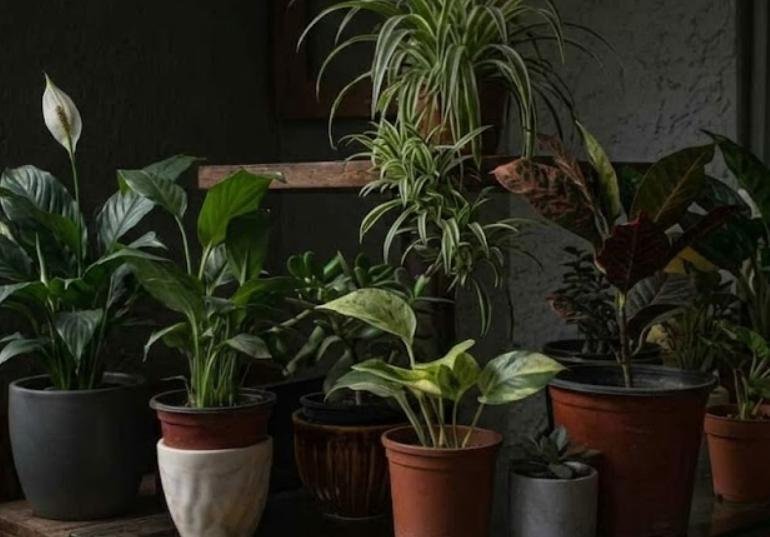
Here are my recent low-light indoor plant collections:
Frequently Asked Questions (FAQs)
What are the best low-light indoor plants for apartments?
Some of the best options for low-light indoor plants include Snake Plant, ZZ Plant, Golden Pothos, Peace Lily, Chinese Evergreen, Spider Plant, Cast Iron Plant, Parlor Palm, Dracaena, and Prayer Plant. These plants can tolerate indirect light and are easy to care for.
Can indoor plants survive without sunlight?
Not completely. All plants need light to photosynthesize, be it outdoor plants or low-light indoor plants. But many low-light indoor plants thrive with indirect natural light or a full-spectrum grow light.
Which indoor plant is easiest for beginners?
Snake Plant and ZZ Plant are two of the easiest indoor plant choices because they tolerate missed waterings, adapt well to indoor conditions, and require very little maintenance.
How often should I water low-light indoor plants?
It depends on the plant, but most should only be watered after the top inch or two of soil has dried. Always check the soil first instead of watering on a schedule. Not necessarily less water, but often less frequent watering, since plants in lower light photosynthesize more slowly and use water more gradually. Always check soil moisture rather than watering on a strict schedule.
Can I grow plants in a room without windows?
Yes, but only if you provide artificial light. A full-spectrum LED grow light can supply the light that low-light indoor plants need when natural sunlight isn’t available.
Some plants, like ZZ plants, snake plants, and lucky bamboo, can survive in very low light or windowless rooms for extended periods. Although they’ll grow more slowly and should be rotated near a light source occasionally if possible.
Are low-light plants good for bedrooms?
Absolutely yes. Plants like the Snake Plant, Parlor Palm, Prayer Plant, and Bird’s Nest Fern are popular bedroom choices because they grow well in indirect light and add a calming touch to the space.
Usually plants release carbon dioxide at night, but the Snake Plant gives off oxygen at night and also filters toxins; the Parlor Palm adds gentle moisture to the dry air; the Prayer Plant and Bird’s Nest Fern reduce blood pressure and lower cortisol levels (stress levels).
Which low-light indoor plants are safe for cats and dogs?
Some of the safest low-light houseplants for homes with cats and dogs include:
- Spider Plant
- Parlor Palm
- Bird’s Nest Fern
- Prayer Plant
- Cast Iron Plant
- Baby Rubber Plant (Peperomia)
- Calathea
- Nerve Plant (Fittonia)
These plants are widely recognized as non-toxic to pets, making them suitable for pet-friendly apartments.
Happy planting! 🌿


One comment on “15 Best Low-Light Indoor Plants for Apartments ”