You may bring indoor plants because you want to or you like it. But as a beginner, it is completely okay to feel confused. You may not know when to water the plants? How many times do you water it? Where should you put it?
Indoor plants not only fill the empty corner, but add life to the room. They give you something to look after and take care of.
When you buy a plant and bring it home with you, there is no room for negligence. But that doesn’t mean you need to over care.
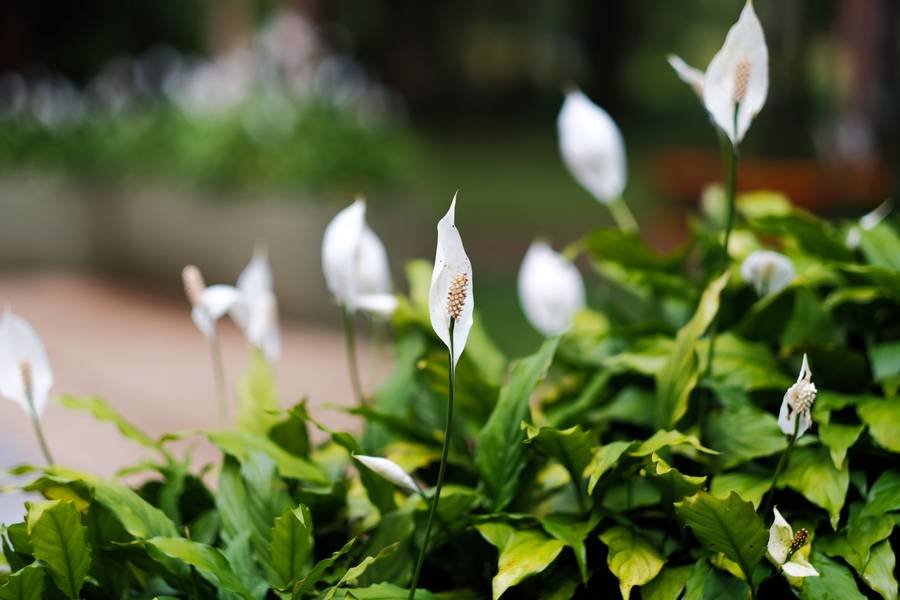
I killed my Peace Lily because I was too excited to care for it and overdid it. I watered it everyday and put it in direct sunlight. It was thriving at first but then it drooped on the third day. I was too worried and started watering it more.
Then, Of Course! I made it worse.
Today, I look back at what I did and laugh at my foolishness. But it was what made me learn more about how to care for these indoor plants.
Many indoor plants die not because of neglect, but from the wrong way of caring.
So, here is the beginner’s guide that will take you through 7 ways to care for your indoor plants.
Table of Contents
Reasons to Care For Your Indoor Plants
Before understanding how to care for it, it is better to understand why.
- Indoor plants help in improving the quality of air by filtering the pollutants.
- They help by reducing stress.
- They add natural color to home decor.
- And also they provide a small, satisfying routine.
Now let’s get into the seven ways to keep your indoor plants healthy and thriving.
1. Choose the Right Plant for Your Space
As a beginner, there’s a high chance of making a mistake while buying a plant. When you buy a plant you need to make sure it suits your home.
Not all indoor plants need to be treated equally and not all homes provide the same light, and space.
Before buying a plant, you need to check
- How much of the light your room gets,
- The average humidity of your home and
- How much time you can give to the plants.
You need to make sure your plant is positive to the above mentioned details.
Some of the beginner friendly indoor plants that are easy to grow and care for are:
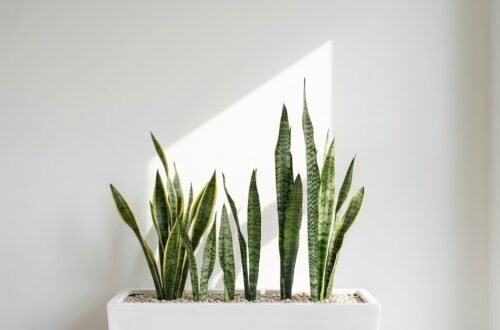
- Snake plant that can grow even in the low light and with irregular watering.
- Pothos, which grows well in almost any condition.
- ZZ plant that thrives even on neglect.
- Spider plant, which is a very fast-growing plant.
- Monstera that can grow in bright and indirect light.
2. Water your plant when needed
Watering your plant is one of the most important factors while growing your plants towards betterment. You may water your plants everyday thinking it will be better. But every plant works differently.
Many of us as a beginner think that watering your plants on a daily basis is what keeps plants healthy. But it is not the truth, especially with indoor plants.
More water to the plant doesn’t mean more love. It is the most concerning thing as it kills your indoor plants. Overwatering leads to root rot.
There is one simple rule to follow while watering your plants.
Put your finger about an inch into the soil. If it is dry then water. But if it’s still damp, wait. Don’t water it.
Here are some of the tips for better watering:
- Instead of watering everyday, water your plants thoroughly until it is drained from the bottom. Then wait until the soil becomes dry to water it next time.
- You have to empty your saucers so roots don’t sit in standing water.
- When growth slows down, you should water less, mostly in the winter season.
3. Give the right amount of light to your plant
Your plants need light, neither little nor more. Light is the primary source for your plant. Your plant leaves may turn pale if the light amount is little. The growth of the plant may be delayed with little light.
And if the light amount is more then, your plant may wither from the sheer dehydration. This mostly happens when your plants get light from direct sun.
Here are Light categories that could be helpful to you while selecting the place for your plant:
- Low light: It is a place in which direct sunlight doesn’t appear. It is just a few feet away from a window.
- Medium light: It is the place where the indirect sunlight appears. It could be near a window filtered by the curtains or the blocked rays by the tree leaves.
- Bright light: It occurs mostly in front of south or west-facing windows. But the east and north-facing windows also provide light during the summer season.
You should match your plant to the light category and keep them in the right place as needed. But don’t just leave it as it is, keep rotating pots occasionally so all sides get even exposure.
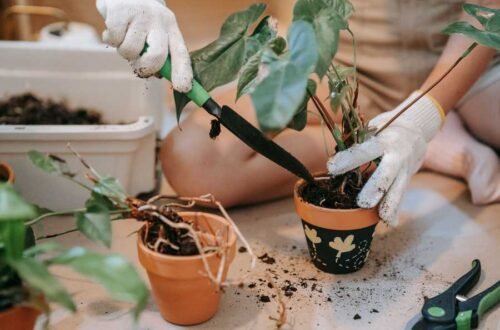
4. Choose the Right Soil and Pot
You can’t just choose your pots and soils for the plant without giving a thought.
Your indoor plants can’t thrive in regular garden soil. It needs a soil that drains well and is light. Not only soil, it also needs a pot that lets excess water escape. garden soil is too dense for pots and can suffocate roots.
The garden soil is too compact and suffocates the roots leading to death.
Here is what you need to look for:
- A well-draining potting mix not the heavy garden soil.
- Use quality indoor potting soil.
- Pots with drainage holes at the bottom to remove the excess water from the plant.
- Only a slightly bigger pot than the current balls of the root as oversized pots hold too much moisture.
5. Don’t Overfeed Your Plants
Plants are similar to human beings. They also need water, sunlight and food to grow and be healthy. But they can neither be overfed nor be underfed.
After feeding your plants, it eventually uses up all the nutrients and it needs to be fed again. But just because the time to feed the plants has come, doesn’t mean you should do it everyday.
You can maintain a light feeding schedule to keep them growing steadily.
Here are some of the Simple feeding guide that you can follow:
- Feed your plants during the growing season i.e. summer and spring, mostly.
- Use a balanced liquid fertilizer to provide a consistent 3 macronutrients: Nitrogen (N), Phosphorus (P) and Potassium (K).
- Feed it every 4 to 6 weeks, diluted to half strength for beginners to prevent root burns.
- You can skip fertilizing in fall and winter when most plants rest.
6. Maintain Humidity and Temperature
To keep your plant in a thriving situation, it is necessary to maintain humidity and temperature. Many popular indoor plants originally come from tropical environments. That’s why they appreciate warmth and a bit of humidity.
So while taking care of the indoor plants, the conditions of the indoor heating and air conditioning should be maintained. As indoor heating and air conditioning can strip away the moisture/ humidity from the air, your plants can dry out more quickly.
Here are some of the Easy fixes to maintain the humidity and temperature of the room:
- You should maintain the humidity as per the plan type. Tropical plants require more than 60%, moderate humidity of about (60%- 80%) and low humidity of about (10%- 40%) should be maintained.
- AS the transpiration occurs, grouping of the plants can be done to create a mini humid microclimate.
- You can spray the leaves with water once in a while.
- You can place your plant pot on the top of the plate filled with pebbles and water to add the moisture in the air around the plant through evaporation.
- Keep plants away from direct AC vents, heaters to prevent the plants from losing the moisture due to hot air.
7. Watch Out for Pests and Prune Regularly
You are growing indoor plants, that doesn’t mean there won’t be any pests. Even healthy indoor plants, especially in dry indoor air, can attract pests like spider mites or fungus gnats.
To keep your plants healthy and support the growth, regular inspection and pruning (trimming or clipping) should be done.
Here are some of the Preventive care to encourage continuous and plants growth:
- You can wipe your leaves from time to time, to remove dust and check for the pests.
- Don’t put your new plant near the others. Keep it away from others for a week or more. Doing this can prevent spreading of the pests.
- Trim yellow or dying leaves to improve the energy direction to maintain healthy growth and appearances.
Final Thoughts
When your plants thrive, people may compliment you by saying you have a green thumb (someone who is good at gardening). But caring for indoor plants is not about having a “green thumb”, it’s about understanding the basic needs of the plants.
The right light, the right amount of water, quality of soil, and a bit of attention is what you need to learn more. Once you understand these, most of your indoor plants will grow and flourish.
You don’t need to buy a whole bunch of plants, you can start with one or two beginner-friendly plants. Learn their rhythm, and later expand your collection from there.
My plant collection has also gradually increased, as I learned more and more. Today, I understand my plants better and I’m very happy to increase my plant collection.
Frequently Asked Questions (FAQs)
1. What is the easiest indoor plant for beginners?
Some of the easiest indoor plants for beginners are Snake Plant, Pothos, ZZ Plant, Spider Plant, and Monstera. These plants are low-maintenance and can tolerate minor mistakes in watering and lighting.
2. Can indoor plants survive in low light?
Yes, many indoor plants can survive in low light. Snake Plants and ZZ Plants are especially good choices for rooms that receive little natural sunlight.
3. Why are the leaves on my indoor plant turning yellow?
Yellow leaves are often caused by overwatering, poor drainage, or old leaves naturally dying off. Check the soil moisture and make sure the pot has drainage holes.
4. What are common pests found on indoor plants?
Common indoor plant pests include spider mites, fungus gnats, mealybugs, and aphids. Regularly wiping the leaves and checking the plant can help you spot pests early.
5. Can I use a decorative pot without drainage holes?
It is better to use a pot with drainage holes. Pots without drainage can trap excess water, which may lead to root rot and other moisture-related problems. For a more detailed breakdown of managing humidity for healthy indoor plants, you can check out this guide on managing humidity for indoor plants.

2 Comments on “7 Ways to Care For Indoor Plants: An Ultimate Beginner’s Guide”