If you’ve been following Insights on Plants, you’ll know that much of what I write about begins at home: with indoor plants, their care, the problems they face, and the small ways we can bring more greenery into our everyday lives.
But plants do not exist only inside our homes. They are part of forests, mountains, riversides, grasslands, farms, and entire ecosystems that keep our planet functioning. And the more I learn about plants and understand the importance of trees, the harder it becomes to look at environmental changes as something separate from them.
That is why I wanted to write this.
I usually talk about the plants we grow and care for. This time, I want to step back and talk about the plants we depend on, even when we never plant them ourselves. Let’s explore the importance of forests and healthy vegetation to our planet.
Recent environmental disasters, including the devastating events in Nepal, are reminders that our relationship with nature cannot be ignored. Trees will not stop every flood, landslide or glacier-related hazard, and planting trees is certainly not a magic solution to climate change. But healthy forests and native vegetation play important roles in protecting soil, supporting biodiversity, regulating water and building more resilient ecosystems.
So this article is focused on different sections, and yes, that is trees. But more importantly, it is about understanding why they matter, where they can help, where they cannot, and why caring for the natural world has to become something we all take seriously.
Table of Contents
When the Mountains Sent a Warning
On August 26, 2026, a devastating flash flood swept through Nepal’s Rasuwa district and into the Bhote Koshi and Trishuli river systems. Water, sediment, ice, and enormous boulders moved rapidly downstream, destroying homes, roads, bridges, infrastructure, and the quiet lives of people who had done nothing to deserve it.
The event was exceptionally sudden. According to the International Centre for Integrated Mountain Development (ICIMOD), the Trishuli River at Galchhi rose by 9 metres within 30 minutes, while several monitoring stations were damaged or washed away. Scientists initially investigated several possible explanations, but satellite and field evidence increasingly pointed toward a large ice-rock avalanche in the high mountains that entered the Lhende Khola and generated a cascading flood and debris-flow event.
There is an important distinction here.
This event should not simply be labelled a glacial lake outburst flood (GLOF), which is what scientists claim it to be. A GLOF occurs when water stored in a glacial lake is suddenly released. In the August 2026 Rasuwa disaster, scientists are investigating an ice-rock/glacier collapse and the subsequent river blockage and release. The exact chain of events is still being studied. ICIMOD has also cautioned that it is too early to determine exactly how much climate change contributed to this particular disaster.
But this is not a distant, abstract crisis. It is happening in our valleys, our rivers, our backyards. And there is a larger lesson we can already understand:
Mountain environments are changing, natural hazards can cascade into one another, and communities need stronger protection before disasters happen.
And that brings us to something much closer to home: trees. We can actually do something about it.
A Memory From My Own Backyard
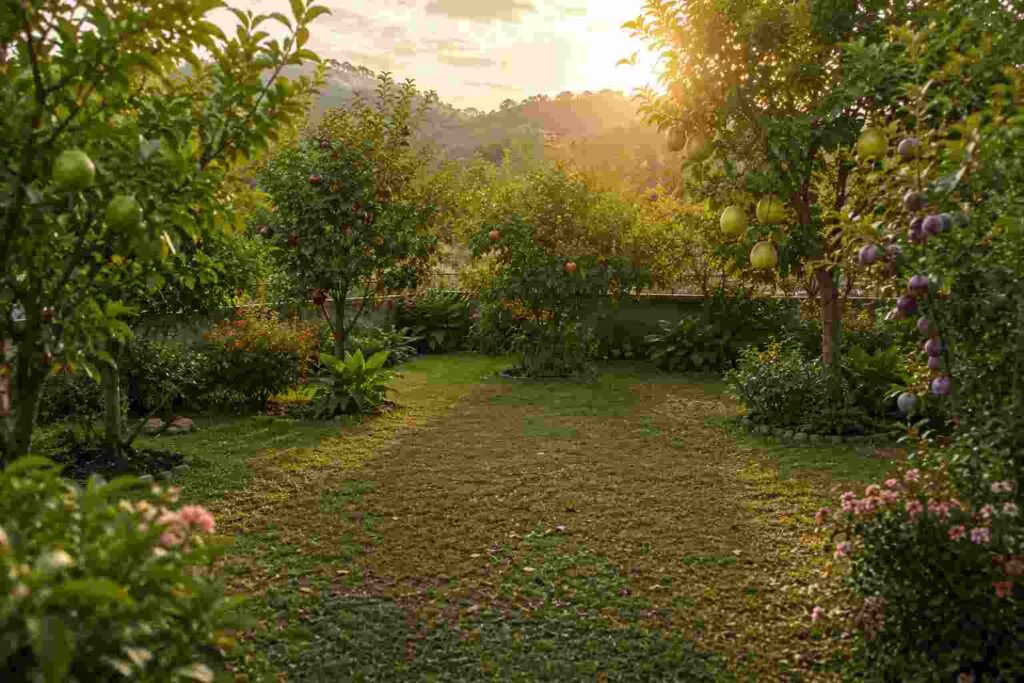
I didn’t need a headline about a glacial flood to understand what we’re losing. I only needed to think back to my own childhood.
The previous home I lived in used to have six fruit trees (2 Guava trees, 1 Apple, 1 Pomegranate, 1 Pomelo, and a Plum tree) in the front yard.
I don’t remember them as a “green initiative” or an “environmental asset“. I remember them as the place where afternoons happened. Climbing for the lowest branch, waiting for fruit to ripen, sharing whatever we managed to pick with neighbours and our children gang around. They were just… there. A quiet, permanent part of the neighborhood.
But today, they’re all gone now. One by one, they were cut down to make room for construction: a house here, a boundary wall there, a driveway where a trunk used to stand. Nobody made a dramatic decision to erase them. It just happened, plot by plot, the way most environmental loss actually happens: not in one dramatic moment, but in a hundred small, practical ones that seemed to make sense at the time.
It seems like a small loss in the grand scheme of a warming planet. But it’s not small at all. It’s the same story playing out everywhere, just at different scales. A backyard loses more than five trees. A mountain corridor loses a forest. A flood happens because there was nothing left to hold the water back.
The good news is that the same small-scale thinking that quietly erased those trees can just as easily bring trees back. It just takes someone deciding that a patch of land is worth more with roots in it than without.
The Quiet Crisis Beneath the Surface
When we hear about floods, landslides, glacier hazards and wildfires, it is easy to think of each as a completely separate problem. But it’s not exactly like that. They are not always separate. Most of them run the same thread: a planet stripped of its natural defenses.
Forests are more than scenery. Tree roots hold mountain soil together, slow the rush of floodwater, and support healthier ecosystems. Their role also matters when we talk about trees and climate change, because forests store carbon and interact with water, soil, and biodiversity. When forests are cut down for farmland, fuel, or development, the land loses its ability to absorb shock. What used to be a heavy rain becomes a landslide. What used to be seasonal snowmelt becomes a flash flood.
A mountain can experience an ice or rock collapse. That material can enter a river. The river can become temporarily blocked. Water can build up behind the blockage. When the blockage fails, a powerful flood can move downstream, carrying enormous quantities of sediment and debris.
This is called a cascading hazard: one environmental event triggering or intensifying another. That is what makes mountain hazards particularly difficult to manage.
Nepal already faces significant risks from floods, landslides, drought, wildfires and other climate-related hazards. The World Bank identifies river flooding and landslides among the major hazards affecting Nepali communities and notes that future climate projections indicate increasing heat and intensifying extreme rainfall.
At the same time, the Hindu Kush Himalaya is experiencing changes in glaciers, snow, permafrost and mountain slopes. ICIMOD describes these changes as increasingly important for regional hazard management.
This does not mean every flood is caused by climate change. But deforestation and climate change aren’t two separate problems. They feed each other in a loop, and that is what’s happening in the mountain communities from Nepal to Tibet to everywhere in between.
It means that a warming and changing mountain environment can alter the conditions in which hazards develop, and that we need better monitoring, preparation, and environmental management.
What Does This Have to Do With Trees?
This crisis has a lot to do with the trees, but perhaps not in the way you might think.
A tree cannot stop a glacier from collapsing. It cannot hold back an enormous debris flow. It cannot guarantee that a village will never flood.
So why should we care about forests when talking about floods and environmental disasters?
Because healthy vegetation is one part of a healthy landscape.
Understanding the importance of trees means understanding these wider environmental functions. Trees are not a magical barrier against disasters, but healthy forests can contribute to soil protection, water regulation, biodiversity and ecosystem resilience.
This is one reason the importance of forests goes far beyond the number of trees standing in a particular area.
According to the Food and Agriculture Organization of the United Nations (FAO), forests can help regulate water, reduce soil erosion and sedimentation, improve infiltration and support groundwater recharge. Forest soils can retain water, while roots help hold soil particles together.
The U.S. Geological Survey (USGS) also notes that native vegetation on slopes can contribute to slope stability, while removing vegetation can increase susceptibility to some landslides. Research documented by USGS has found that vegetation roots and better drainage can help stabilize certain slopes.
That is why trees are the shared answer of humanity.
But there is an important limit.
FAO specifically notes that the protective effect of forests is strongest for certain scales and types of rainfall and runoff. During very large and prolonged rainfall events, local forest cover cannot simply prevent flooding. Forests also cannot prevent landslides caused by processes such as tectonic movement.
So the scientifically honest message is: Trees are not a shield against every natural disaster. They are one part of a healthier and more resilient ecosystem.
The Environmental Hazards We Need to Understand
Environmental protection becomes much more effective when we understand what we are actually trying to protect ourselves from.
| Hazard | What can cause it? | What can happen? | What can reduce the risk? |
| GLOF | Sudden release of water from a glacial lake | Flash flooding, erosion, sediment and infrastructure damage | Lake monitoring, early warnings, hazard mapping and, where appropriate, controlled water-level reduction |
| Glacier/ice-rock avalanche | Failure of unstable ice, rock or slopes | Debris flows, river blockage and downstream flooding | Cryosphere monitoring, hazard assessment, early warning and safer land-use planning |
| Flash flood | Intense rainfall, sudden water release or debris-flow processes | Rapid rise in river levels, erosion and destruction of infrastructure | Forecasting, warning systems, evacuation plans and resilient infrastructure |
| Landslide | Heavy rainfall, unstable slopes, earthquakes, erosion and other factors | Loss of soil, roads, homes and vegetation | Slope management, drainage, retaining structures where appropriate and protection of native vegetation |
| Soil erosion | Runoff, exposed soil, deforestation and poor land management | Loss of fertile soil and increased sediment in rivers | Vegetation cover, healthy soils, appropriate land management |
| Wildfire | Heat, dry vegetation, human activity and natural ignition | Loss of forests, biodiversity and increased erosion | Fire prevention, vegetation management and preparedness |
| Extreme rainfall | Weather and climate processes | Flooding, landslides and infrastructure damage | Forecasting, drainage, land-use planning and resilient infrastructure |
These hazards do not all have the same causes, and one solution cannot address all of them. That is why environmental protection has to involve more than simply planting trees.
What About GLOFs?
Glacial Lake Outburst Floods deserve particular attention in Nepal.
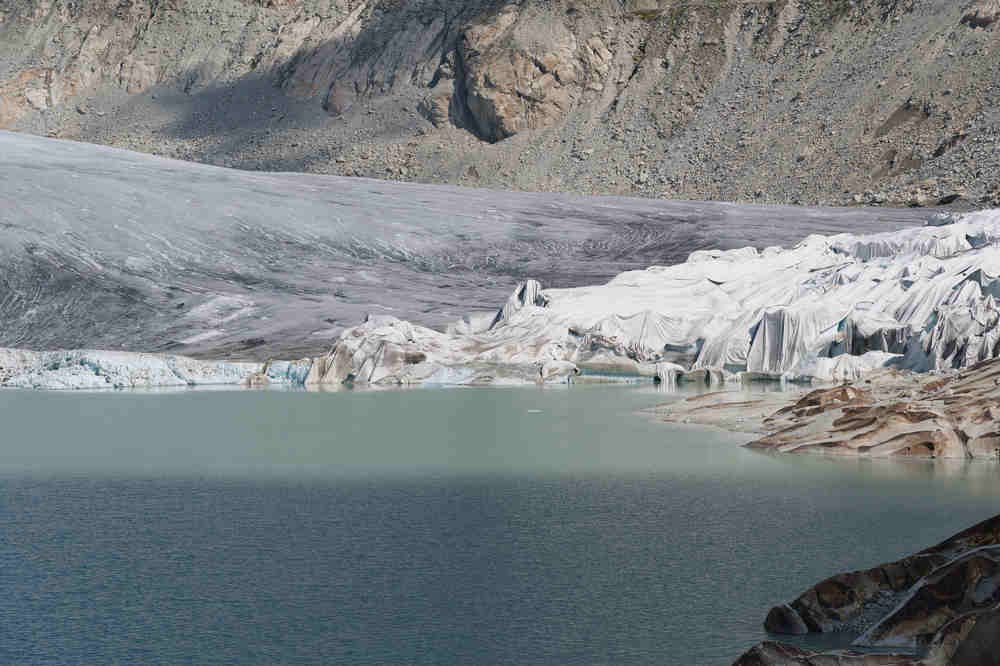
As glaciers retreat, some glacial lakes can expand. If the natural dam holding a lake fails, large amounts of water can suddenly move downstream.
A 2020 ICIMOD-UNDP assessment identified 47 potentially dangerous glacial lakes across the Koshi, Gandaki and Karnali river basins of Nepal, the Tibet Autonomous Region of China and India. Of these, 21 were in Nepal, 25 in China and one in India. The assessment emphasized that these lakes require monitoring and risk-reduction measures.
Nepal has already used some of these approaches.
For example, the water level of Imja Tsho was reduced, and an early-warning system was established with support from the Government of Nepal, UNDP and other partners.
Nepal’s current GLOF and climate-related flood-risk programs also focus on strengthening institutions, early-warning systems and structural and non-structural measures around high-risk glacial lakes.
This gives us an important lesson: Knowing that a hazard exists allows us to prepare before it becomes a disaster.
What Can Actually Be Done?
1. Monitor dangerous glaciers and glacial lakes
Remote sensing, satellite imagery, field surveys, and monitoring instruments can help scientists identify changes in glaciers, lakes, and mountain slopes.
This information needs to reach the people who can act on it. The goal is not simply to collect data. The goal is to turn data into warnings and decisions.
2. Build stronger early-warning systems
Early warnings can save lives, but only when people receive them in time and know what to do.
ICIMOD has emphasized the importance of real-time information reaching local decision-makers and communities. It also stresses that communities need to understand warnings and be prepared to act on them.
For transboundary rivers such as the Lhende Khola–Bhote Koshi system, cooperation between countries is especially important.
A warning that stays on one side of a border cannot adequately protect communities downstream.
3. Map hazard zones before building
Roads, bridges, hydropower projects and settlements should not be planned without understanding the hazards around them.
Nepal’s mountain valleys are constrained by steep slopes and rivers, making land-use planning particularly important.
Hazard maps can help identify areas where development may face high exposure to floods, landslides or other hazards.
4. Protect existing forests and native vegetation
Sometimes the best environmental action is not planting another tree. It is protecting the tree that is already there. Existing forests already contain established root systems, soil organisms, leaf litter and wildlife.
Protecting existing forests is one of the clearest ways to recognize the importance of trees. Mature forests already contain established root systems, soil organisms, leaf litter, and wildlife that take years to develop. In many situations, protecting forests can be just as important as planting new trees.
USGS recommends retaining native vegetation on slopes because roots can contribute to slope stability.
FAO similarly identifies forests as important for soil protection, water regulation, and reduction of soil erosion.
Should We Plant More Trees?
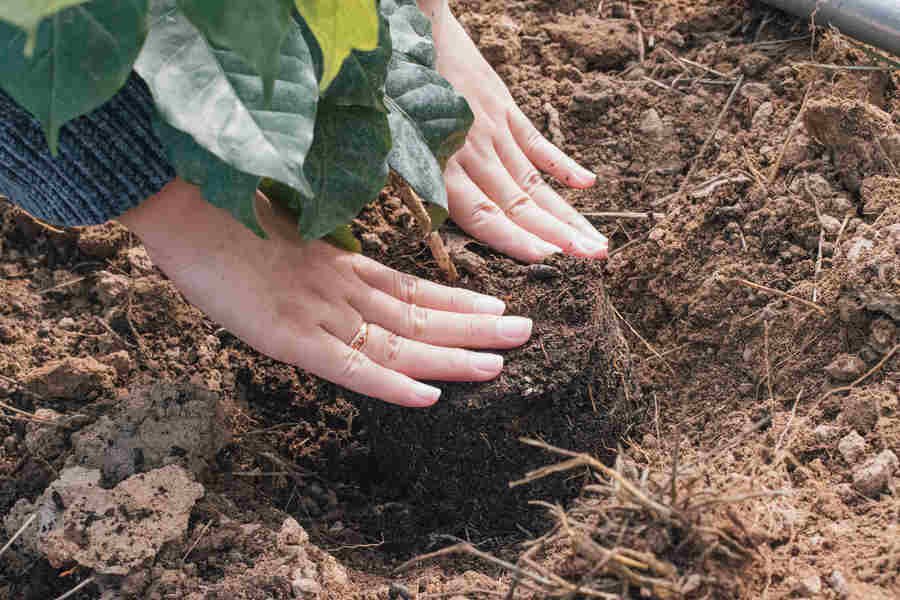
Yes, but thoughtfully.
The importance of planting trees is clear when planting is part of appropriate ecosystem restoration. Tree planting can contribute to climate mitigation and ecosystem restoration, but simply planting as many trees as possible is not always the right answer.
Tree planting can contribute to climate mitigation and ecosystem restoration. The IPCC identifies afforestation and reforestation among the land-based options that can contribute to removing carbon dioxide from the atmosphere.
But simply planting as many trees as possible is not always the right answer.
The IPCC warns that planting trees in naturally unforested ecosystems can damage biodiversity and that tree restoration should use appropriate locations and appropriate species. Protecting and restoring native forests can also improve ecosystem resilience and reduce human vulnerability to climate change.
So instead of asking: How many trees can we plant?
We should ask: Where are trees naturally appropriate, which species belong there, and how can we help them survive?
That is a much better environmental question.
One Tree Is Not Enough, But One Tree Is Still a Start
There is a temptation to think that individual action is meaningless when environmental problems are so enormous.
What difference can one person possibly make?
One person cannot monitor a Himalayan glacier. A person can neither design a national flood-warning system nor rebuild a destroyed bridge.
But that does not mean individuals have no role.
You can do more than you can imagine. Inspiration is only useful if it turns into action.
- You can protect an existing tree.
- You can plant a native tree where it belongs, even if it’s small, because every root system helps.
- You can prevent unnecessary vegetation removal.
- You can keep soil covered instead of leaving it bare.
- You can support credible restoration projects. People need awareness and volunteers, not just sympathy.
- You can learn your community’s flood and landslide risks.
- You can share accurate information instead of misinformation about the environment.
- And you can ask your local leaders and institutions for better environmental planning and disaster preparedness.
These actions do not replace government responsibility. They complement it.
What Can You and I Do Today?
You do not need a huge garden, a large bank account, or a scientific degree to begin.
- 🌳 Protect before you plant: If a healthy mature tree already exists, protecting it may be more valuable than replacing it with a new sapling.
- 🌱 Choose native plants when appropriate: Native plants are adapted to local environmental conditions and can provide habitat for local biodiversity. But always choose species appropriate for the particular site rather than assuming every native tree belongs everywhere.
- 💧 Protect soil and water: Keep soil covered with suitable vegetation, mulch or groundcover. Avoid unnecessary soil disturbance and vegetation removal, especially on slopes.
- 🌿 Support restoration, not just tree-counting: If you donate or volunteer, look for organizations that explain where trees are being planted, which species are used, who manages them, and how survival is monitored. A planted sapling that dies after one season is not the same as a restored ecosystem.
- 📢 Share information responsibly: Environmental awareness is powerful, but inaccurate information can be harmful.
Do not tell people that: “Trees will stop floods.”
Tell them: “Healthy forests can reduce erosion, improve soil and water regulation, and contribute to ecosystem resilience, but they cannot prevent every hazard.”
That distinction matters.
What Governments and Institutions Must Do
Individual action is important, but we should not place the responsibility for environmental disasters entirely on individuals. Large-scale risk reduction requires institutions to act.
Nepal needs continued investment in:
- glacier and glacial-lake monitoring
- flood forecasting and early-warning systems
- cross-border data sharing
- hazard mapping
- resilient roads, bridges and hydropower infrastructure
- community evacuation planning
- protection and restoration of forests and watersheds
- climate adaptation
- responsible land-use planning
- scientific research and public access to risk information
UNDP’s current GLOF-risk work in Nepal specifically includes institutional capacity building, early-warning systems and structural and non-structural interventions around high-risk glacial lakes.
This is where environmental responsibility goes beyond planting a tree. We need both individual responsibility and institutional responsibility.
Can Trees Actually Heal the Earth? Understanding the Importance of Trees
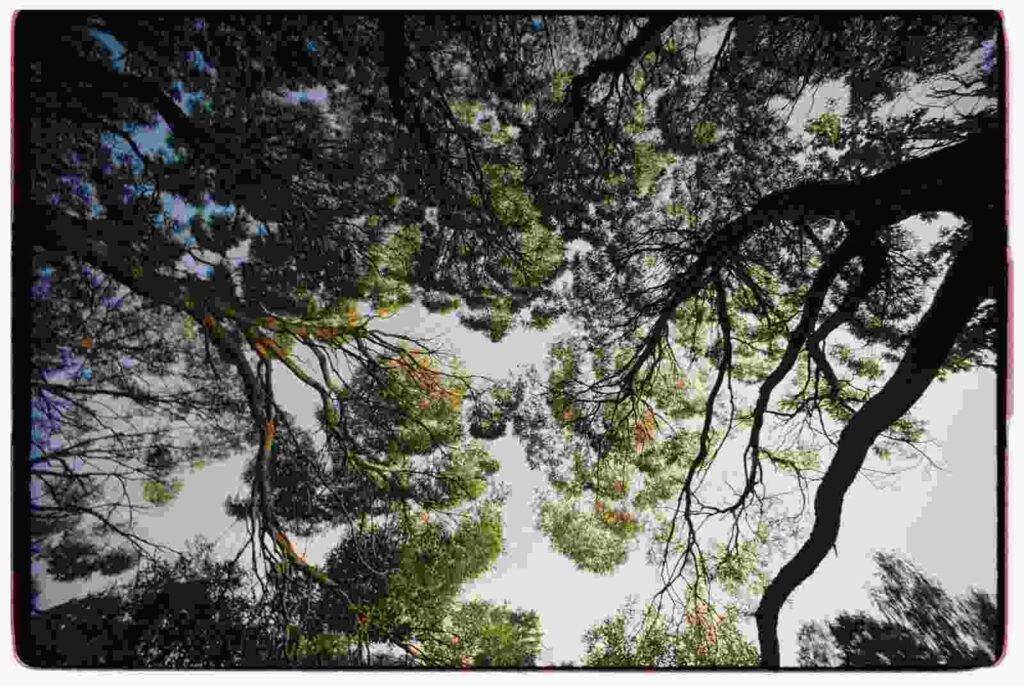
Perhaps not in the literal sense. Understanding the importance of trees does not mean believing that trees can solve every environmental problem. Trees cannot undo every degree of warming. They cannot stop a glacier collapse. They cannot prevent every flood.
And they cannot repair every environmental problem humans have created.
The importance of trees lies not in their ability to “save” the planet by themselves, but in the many ecological functions forests and vegetation provide.
But forests can store carbon, protect soils, support biodiversity, influence water systems, and contribute to healthier ecosystems. The IPCC recognizes forest restoration and protection as important parts of climate mitigation and adaptation, while FAO recognizes forests as important for water and soil protection.
So perhaps the better question is not: “Can trees save the planet?”
It is: “What kind of planet are we creating when we protect the trees, forests, soil and water around us?”
Choosing the Right Tree for the Right Landscape
Planting trees is not simply about putting as many seedlings into the ground as possible. The right tree in the right place can support soil, water, and biodiversity; the wrong tree in the wrong place can fail, compete with native vegetation, consume scarce water, or even create additional management problems.
Understanding how trees help the environment also means understanding that their benefits depend on where they grow, what species are planted, and how the surrounding ecosystem is managed.
USGS recommends retaining native vegetation on slopes because it is adapted to local conditions and its roots can contribute to slope stability. It also warns that some rapidly growing non-native vegetation can have shallow root systems and may decrease slope stability.
1. Steep mountain slopes and erosion-prone hillsides
What to prioritize:
- Native trees and shrubs already adapted to the local elevation
- Species with substantial root systems
- A mixture of trees, shrubs and groundcover rather than trees alone
- Existing native vegetation should be protected before planting new trees
For Nepal’s mid-hill environments, examples that have been used in restoration or slope bioengineering include Utis (Alnus nepalensis), Chilaune (Schima wallichii), Lankuri (Fraxinus floribunda) and Rato Siris (Albizia julibrissin).
A Nepal-based slope-stabilization study specifically recommended Utis and Chilaune to restore natural vegetation at a treated site.
However, these should be treated as examples, not a universal Nepal-wide planting list. A species suitable at one elevation or soil type may be unsuitable somewhere else.
If done well:
- Roots can reinforce shallow soil layers
- Vegetation can improve infiltration and drainage
- Groundcover reduces exposed soil
- Erosion and sediment movement can be reduced
USGS research has found that vegetated slopes can have greater root reinforcement and better drainage than disturbed slopes, contributing to greater stability in some circumstances.
If done poorly:
- Inappropriate species may fail to survive
- Clearing existing vegetation to plant new trees can temporarily expose soil
- Planting trees alone on an unstable slope may give a false sense of security
- Poorly managed water runoff can still saturate and destabilize a slope
And this is important: a seriously unstable slope requires engineering and geological assessment, not just tree planting.
2. High-altitude Himalayan areas
Here, “Plant more trees” is not necessarily the correct advice. At high elevations, the natural ecosystem may be alpine meadow, shrubland, grassland, or another naturally open ecosystem rather than forest.
So the goal should be: Restore the ecosystem that naturally belongs there. Not to force a forest where a forest does not naturally occur.
FAO recommends considering local conditions and species adapted to the site’s altitude, soil, and moisture rather than applying one planting formula everywhere.
If done well:
- Natural vegetation can protect soil
- Ecosystems can continue supporting local wildlife and livelihoods
- Natural drainage patterns are maintained
- Ecological resilience can improve
If done poorly:
- Existing habitats could be damaged.
- Seedlings may have poor survival.
- Water and nutrients may be diverted from naturally adapted vegetation.
This is one reason the IPCC emphasizes appropriate ecosystem restoration rather than simply maximizing tree numbers.
3. Riverbanks and riparian areas
For rivers and streams, don’t think only about tall trees. When discussing trees and floods, it is important to remember that vegetation is only one part of flood-risk management. Riparian vegetation can help reduce bank erosion and trap some sediment, but it cannot guarantee protection from extreme flooding.
A healthy riparian buffer can contain: trees + shrubs + grasses + groundcover.
This layered vegetation can help protect riverbanks from erosion and provide habitat.
FAO identifies riparian areas as high-impact locations for forest and landscape restoration.
If done well:
- Riverbanks can become more resistant to erosion.
- Aquatic and terrestrial habitat can improve.
- Vegetation can trap some sediment before it reaches waterways.
- Shade and organic matter can contribute to healthier stream ecosystems.
If done poorly:
- Planting unsuitable species can interfere with natural river processes.
- Dense vegetation cannot guarantee protection against extreme floods.
- Planting should not replace properly designed flood-control infrastructure where infrastructure is required.
And you should never suggest planting trees directly inside a river channel as a flood-control solution.
4. Wet areas, floodplains and waterlogged land
This is where species selection becomes especially important. Some trees tolerate wet soils; others do not. Rather than choosing a tree because it is advertised as “fast growing,” select species that are naturally adapted to the site’s water conditions.
FAO notes that valley bottoms and hollows can have very different moisture conditions from slopes and ridges, meaning the same tree cannot simply be planted everywhere.
If done well:
- Vegetation can contribute to ecosystem function.
- Wetlands can continue to store and slowly release water.
- Biodiversity can benefit.
If done poorly:
- Trees that cannot tolerate waterlogging may die.
- Unnecessary planting can alter naturally open wetland ecosystems.
- Dense planting can interfere with floodplain management.
In some wetlands, protecting the existing wetland is better than planting trees.
5. Agricultural land and village landscapes
Here, agroforestry can sometimes be more appropriate than converting farmland into forest. Trees can be integrated with crops, livestock or other vegetation where the system is locally appropriate.
This can provide not only shade but also other benefits, such as organic matter, useful products, habitat, and soil protection.
FAO recognizes agroforestry as one possible approach within forest and landscape restoration.
The important point is to choose species that do not create unacceptable competition with crops for water, light, or nutrients.
The Best Approach Isn’t Always “Trees Only”
One of the most important things I would like to add in this article is: A resilient landscape is rarely made of trees alone.
For an eroding hillside, for example, the best approach might combine:
native trees + shrubs + grasses + groundcover + drainage management + erosion-control structures.
This is where the broader relationship between trees and environmental protection becomes important. Environmental restoration is not simply about increasing the number of trees; it is about rebuilding healthy relationships between vegetation, soil, water, wildlife and people.
Nepalese research on road-slope stabilization has recommended combinations including vegetation, jute netting, grass lines, shrubs, trees, brush layering, vegetated gabions and other bioengineering techniques.
FAO likewise recommends maintaining ground cover during planting because completely removing vegetation can increase erosion and nutrient loss. On slopes of 15% or greater, it recommends contour-oriented planting rather than simply planting straight up and down the slope.
What Happens When We Plant Without Planning?
This is another myth-busting section.❌ Wrong tree + Wrong place = Possible problems
Poorly planned planting can result in:
- Low survival rates
- Invasive species spreading
- Competition with native plants
- Excessive water consumption
- Increased maintenance requirements
- Damage to infrastructure as trees mature
- Erosion during site preparation
- Loss of naturally open habitats
- False confidence that trees alone have made a dangerous slope safe.
FAO specifically says tree planting is not the same thing as successful forest restoration and stresses long-term management. It also notes that planting may be inappropriate in some areas with limited water or other constraints.
So the environmental message that I want to convey is: Don’t plant a tree just because you can. Plant the vegetation that belongs there, and protect it.
What Changes When We Get It Right?
If restoration is properly planned and maintained, the benefits can extend far beyond the tree itself. Here’s what might change if we get it right:
- Healthy vegetation
- Better soil protection
- Better water infiltration and reduced surface runoff in some conditions
- Less erosion and sediment movement
- More habitat and biodiversity
- Healthier ecosystems
- Greater environmental resilience
These benefits help demonstrate the importance of trees as part of wider ecosystem restoration, not because trees can solve every environmental problem, but because healthy vegetation can contribute to healthier and more resilient landscapes. But that does not mean: Trees → no floods.
It means: Healthy ecosystems can reduce some environmental pressures and help communities become more resilient, while early-warning systems, engineering, land-use planning and climate adaptation address hazards that vegetation cannot control.
That distinction is scientifically important.
We Don’t Need One Hero
The people affected by Nepal’s recent disaster do not need empty promises that planting trees will prevent the next flood.
What they need is:
- Safer infrastructure
- Accurate warnings
- Scientific monitoring
- Responsible planning
- Prepared communities
And the most important is: A world that takes environmental change seriously
But the rest of us also have a role. We can do our best in different aspects such as:
- Protecting a tree.
- Restoring a small piece of land.
- Growing plants that belong in our local ecosystem.
- Waste less.
- Learn more and support credible conservation work.
We can ask better questions. And we can remind one another that environmental protection is not something that belongs only to scientists, governments, or activists.
It belongs to all of us. One tree will not heal the Earth. But millions of people choosing to care for the living world around them can create something much bigger than one tree.
That is why understanding the importance of trees is not simply about planting more trees. It is about protecting the living systems that already surround us.
Start where you are. Protect what already grows. Plant wisely. Learn. Speak up. And let your small action become part of something larger.
Before you plant, look around. Environmental action isn’t about planting the most trees. It’s about making the right choices for the living systems around us.
We’re restoring relationships between soil, water, plants, wildlife and people.
And that is how we begin healing the Earth.
Frequently Asked Questions (FAQs)
What happened in Nepal on August 26, 2026?
A catastrophic flash flood swept through Rasuwa and the Bhote Koshi–Trishuli river system. ICIMOD reported that the flood carried water, sediment, and boulders downstream and that the Trishuli rose by up to 9 metres in about 30 minutes at Galchhi. Scientists investigated an ice-rock avalanche in the high mountains as a likely trigger, although the full chain of events remains under study.
Was the August 2026 Nepal disaster a GLOF?
It should not automatically be described as a GLOF. A GLOF is the sudden release of water from a glacial lake. Current scientific assessments of the August 2026 event point toward an ice-rock/glacier collapse and cascading river and debris-flow processes, while researchers continue to investigate the precise mechanism.
How do trees help with floods?
Trees cannot prevent every flood, particularly extremely large floods or glacier-related disasters. However, forests can improve infiltration, reduce soil erosion and sedimentation, regulate some runoff and help stabilize certain slopes. Their effects depend on the landscape, rainfall intensity and scale of the event.
Can trees prevent landslides?
Trees and other vegetation can help stabilize some shallow slopes because their roots reinforce soil and influence how water moves through the ground. However, vegetation cannot prevent all landslides, especially those driven by earthquakes, major slope failures or other geological processes.
Does climate change cause every flood?
No. Floods have many possible causes, including intense rainfall, river overflow, glacier-related processes, dam or natural-dam failures and combinations of these factors. Climate change can alter temperature, precipitation, glaciers, snow and other environmental conditions, potentially changing some hazards, but the role of climate change must be assessed for each event. ICIMOD specifically stated that it was too early to determine the exact role of climate change in the August 2026 Rasuwa event.
How many potentially dangerous glacial lakes are there in Nepal?
A 2020 ICIMOD-UNDP assessment identified 47 potentially dangerous glacial lakes across the Koshi, Gandaki and Karnali river basins in Nepal, China and India, including 21 in Nepal. These inventories are important for prioritizing monitoring and risk-reduction measures.
Is planting trees a solution to climate change?
Tree planting can contribute to climate mitigation, but it is not a standalone solution. The IPCC recognizes afforestation, reforestation, and forest protection as important land-based climate measures. It also warns that planting trees in ecosystems that are not naturally forested can harm biodiversity, so restoration must be appropriate to the location and ecosystem.
What is the best thing an individual can do?
There is no single best action for everyone. Protect existing vegetation, plant appropriate native species where suitable, care for soil and water, reduce unnecessary resource use, support credible conservation efforts, and learn how to respond to local hazards. Most importantly, individual action should go hand in hand with support for stronger environmental policies, scientific monitoring, and disaster preparedness.
Why are trees important for the environment?
Trees are important because forests can store carbon, protect soil, support biodiversity, influence water systems, and contribute to healthier ecosystems. Their benefits depend on the species, location, and condition of the ecosystem.
How does planting trees help climate change?
Planting trees can help address climate change by absorbing and storing carbon dioxide as they grow. Trees also support healthier soils, biodiversity, and ecosystems. However, planting trees is not a complete solution to climate change. Trees should be planted in suitable locations using appropriate species, while existing forests should also be protected.
Why are forests important for the environment?
Forests are important because they store carbon, protect soil from erosion, support biodiversity and help regulate water. They are also essential for healthy and resilient ecosystems. However, forests cannot prevent every flood, landslide or environmental hazard, so forest protection should be combined with proper land-use planning, early-warning systems and climate adaptation.




One comment on “Importance of Trees: 6 Reasons Why Trees Matter for Our Earth”